Understanding the Difference: Refugee and Migrant
Two words, two legal realities — why the distinction matters for protection, policy, and compassionate response.
In public conversation, "refugee" and "migrant" are often used interchangeably. Legally and ethically, they are not the same — and the difference shapes what protection a person receives.
What defines a refugee
A refugee flees persecution, war, or violence and cannot safely return home. International law — including the 1951 Refugee Convention — obligates nations to offer protection and prohibits returning people to danger.
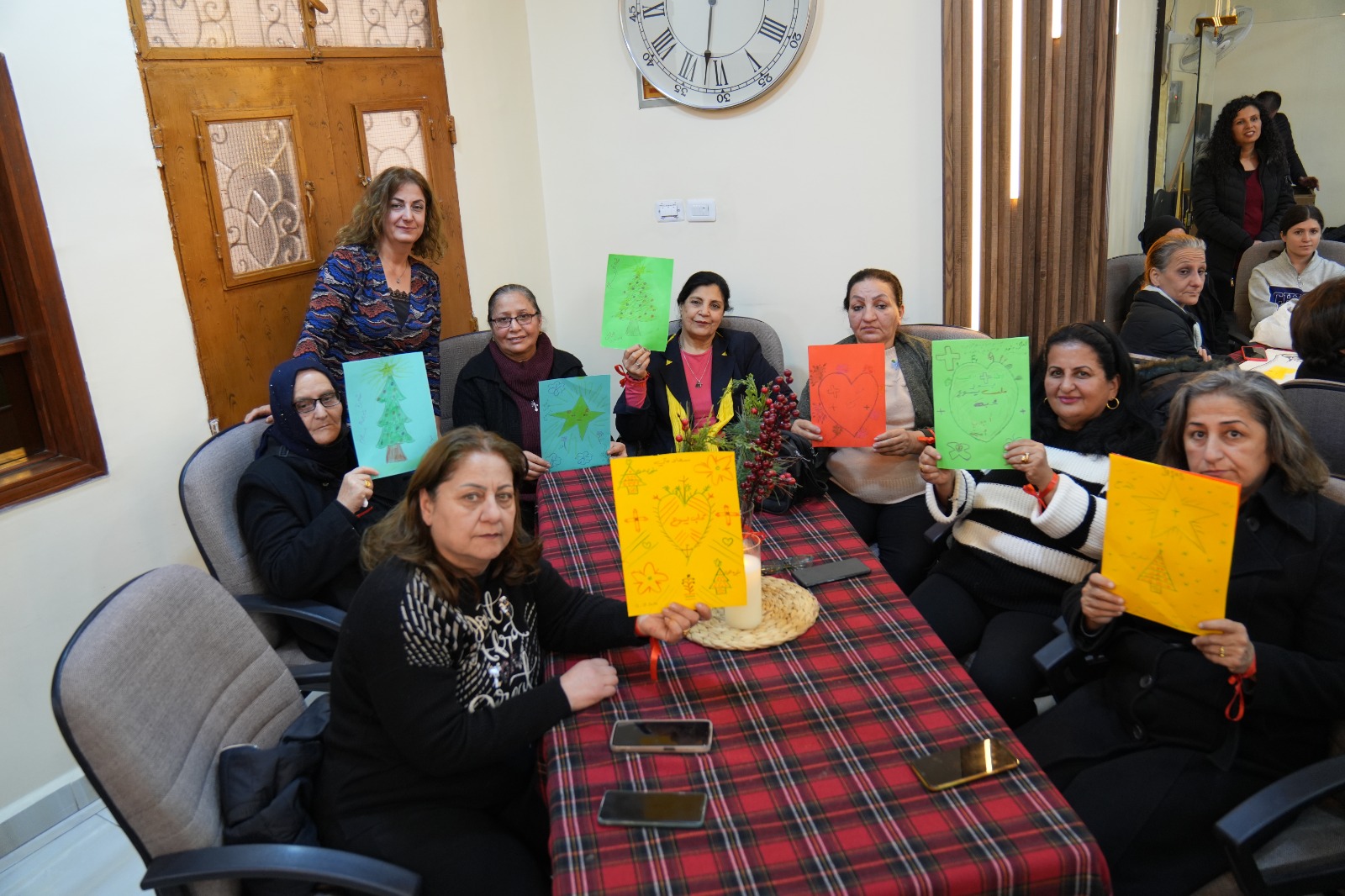
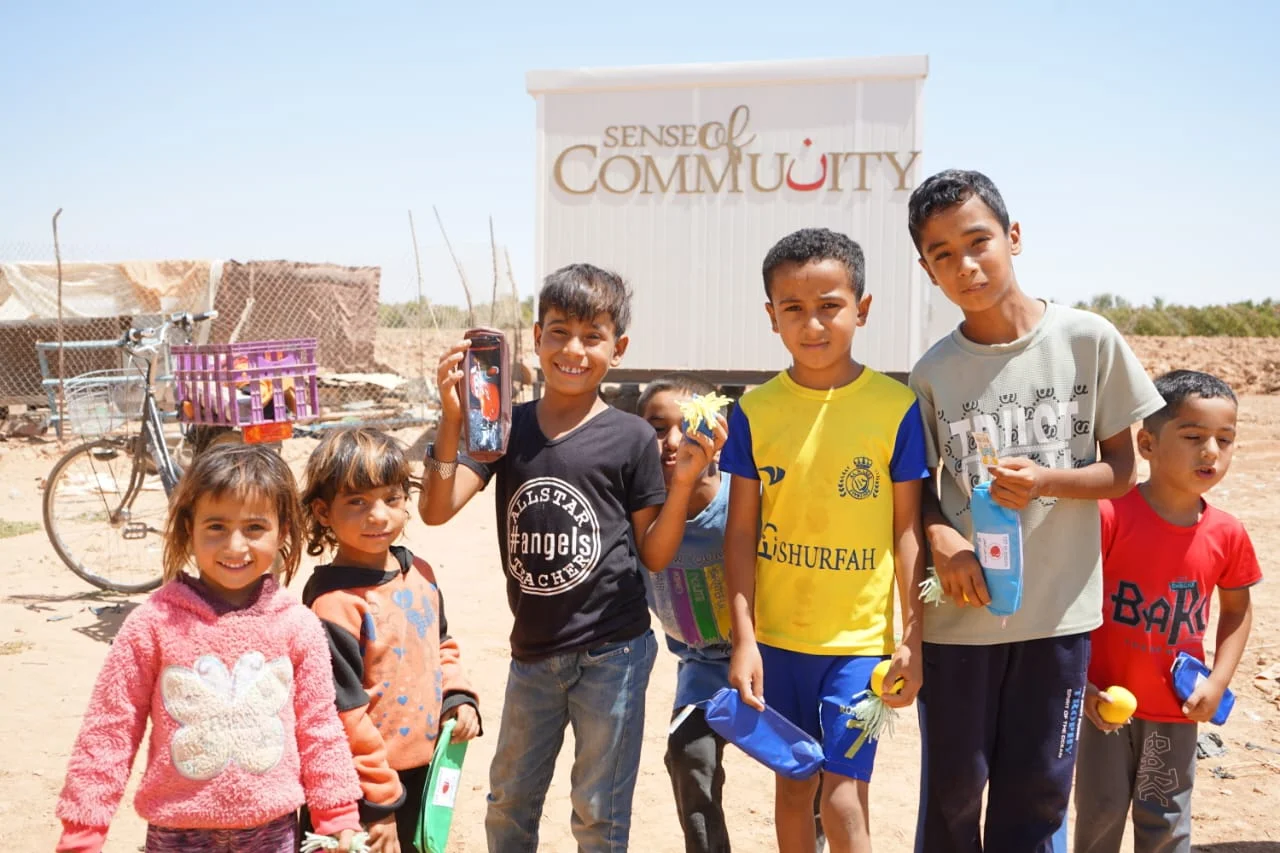
Many families we serve in Jordan left under exactly this pressure. Their movement was not a lifestyle choice; it was survival.
What defines a migrant
A migrant moves voluntarily, often for work, education, or opportunity. Migration can be difficult and courageous, but it is not driven by the same immediate threat to life that defines refugee status.
Understanding the distinction helps communities respond with appropriate legal, social, and pastoral support — rather than one-size-fits-all assumptions.
Why language matters for ministry
When we listen carefully to how people describe their journeys, we honor their reality. Compassion without precision can still miss the mark.
Marka Church serves displaced people regardless of label — but we advocate for clarity because clarity protects the vulnerable.
- refugees
- migration
- policy